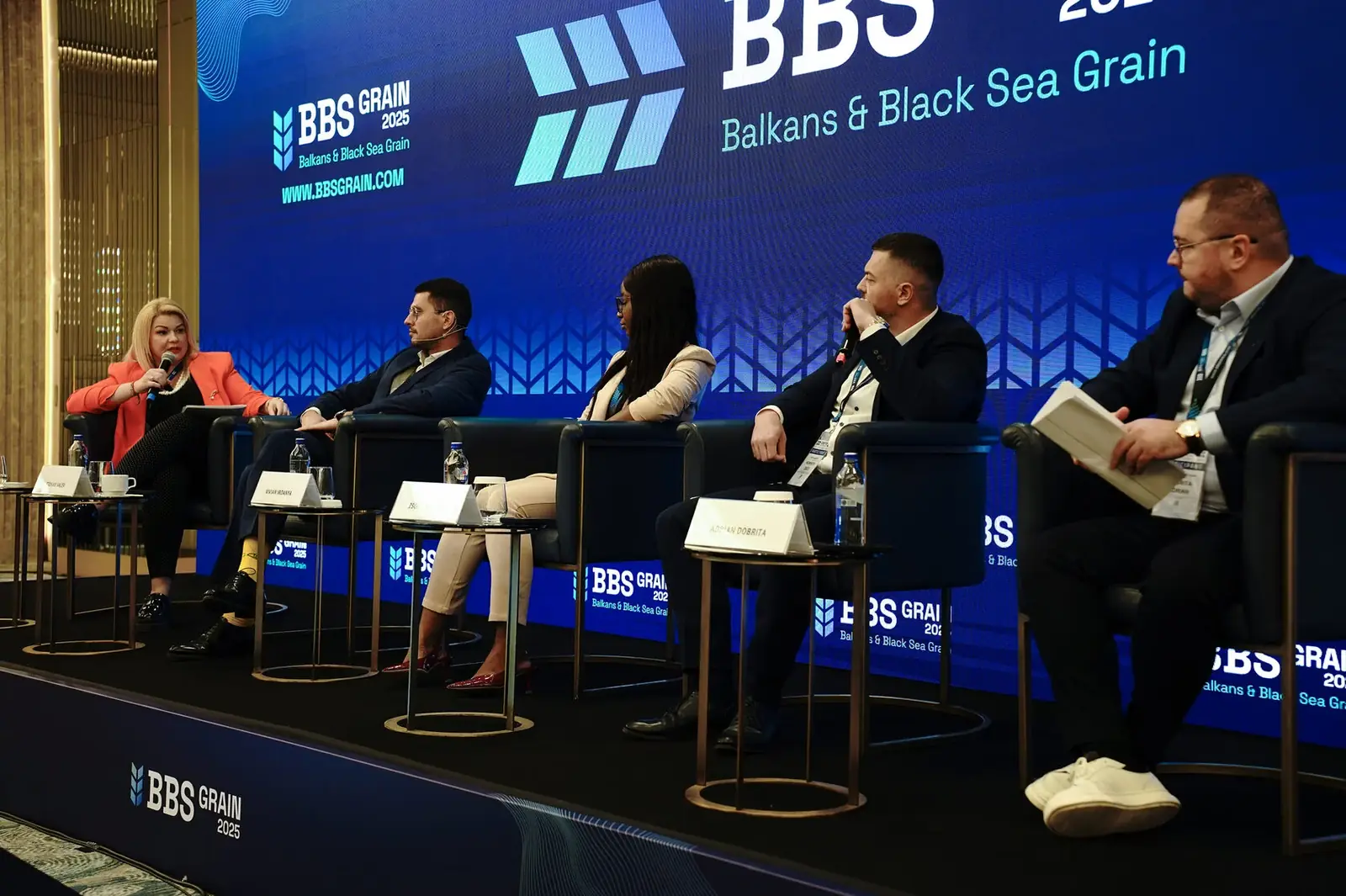
Balkans & Black Sea Grain · Istanbul, Türkiye
A long briefing for traders, millers and logistics desks: what the Istanbul forum is, what the market is actually talking about, what 2024 and 2025 left on the table, and how BBS Grain 2027 is already being planned after 22 September 2026.
bbs grain is the short name of Balkans & Black Sea Grain — a working B2B conference on wheat, coarse grains, oilseeds, pulses, freight and cargo insurance. Globenty organizes it. The city is Istanbul because the Bosphorus is where a Black Sea FOB conversation and a MENA miller conversation can finish in the same afternoon.
This page is the long read. Photo archives live on conference 2024 and conference 2025. Session notes from June 2025 are on Key Insights. Tickets, speakers and Sofitel Taksim stay on the bbs grain homepage. Gafta and directory sites list the same event; they do not add a second set of facts.
The Black Sea and the Balkans are not one origin. A buyer who treats “Black Sea wheat” as a single grade will mis-price protein, freight and delivery month. Romania, Bulgaria, Serbia and the larger northern exporters each have their own harvest window, river or rail bottleneck, and quality story. Egypt remains the world’s largest wheat importer. Tunisia stays short wheat and corn. Türkiye is a miller, a seasonal importer and a flour re-exporter at the same time.
That is the map on the bbs grain homepage: producing coasts on one side, importing mills on the other, Istanbul on the strait. The conference is the physical version — origin desks, millers, shipbrokers, surveyors and insurers in one hotel for a working day (two days in 2024).
The product is access, not a communiqué. A feed buyer from Cairo or a miller from Tunis can sit with a Constanta or Varna desk without a six-week tour of three capitals.
The published agenda looks like four blocks. In the corridors it is one question: what will a tonne cost, delivered, in the next two seasons — and which bottleneck moves the number first. Below is how those blocks read if you follow harvest and freight news rather than slogans.
Wheat from this basin is still the reference grade for many MENA tenders. In 2025 speakers put Russia, Ukraine, Romania and Bulgaria together at close to 38% of world wheat exports. That share is why a dry June on the Danube or a late corn harvest in Romania shows up in CFR North Africa within weeks.
Romania’s 2024 drought was the warning. For 2025, RWA Raiffeisen Agro talked about a rebound — wheat toward 10.7–11 million tonnes, corn recovering, sunflower around 2 million tonnes — and about Constanta plus the Danube as a transit pipe, not only a domestic exit. Bulgaria, via Grainstore, reported a strong wheat and barley year, weaker corn and sunflower, and a logistics bonus from Schengen in 2025 and the euro calendar in 2026. Hungary’s 2024 wheat yields were among the best in a century; corn disappointed, so area rotated toward sunflower — a planting decision that will still sit in 2026/27 balances.
Summer 2026 harvest news added a logistics overlay: Danube flows into Romania fell to the lowest seasonal reading since 1996. Barges ran light or waited. Wheat, barley and rapeseed were arriving at the same time as a delayed corn crop. When the river cannot take a full draft, grain does not vanish — it queues in silos, on rail and on trucks, and the extra handling shows up in the FOB–CFR spread. That is a conference topic in the language of draft, rotations and storage, not headlines.
For a miller the practical read is simple. If Constanta is congested, nearby origins (Bulgarian wheat, Serbian corn via the same river) reprice. If EU wheat is cheaper than a Black Sea offer after freight, the tender shifts. S&P Global Platts described that 2024/25 pattern as tight origin spreads. The June 2025 Milling Wheat Marker was launched so those spreads have a public number. Expect the 2026 room to argue whether that marker still describes the cargo that is actually loading.
Sunflower remains the basin’s signature oilseed. The 2025 oilseeds session (Eleen Marine, Rusagro, Sunseedman, MPM) was less about “the crop is fine” and more about crush math. Crushing capacity in large producing countries has been expanding faster than seed. If seed is short, plants run below nameplate, basis widens, and meal and crude oil stop moving together. Sunseedman put a working band on the board: sunflower seed toward $500–550/t and crude oil toward $1,000–1,100/t if weather cooperates — with a clear caveat that freight and canal delays can erase the paper margin.
A share of Black Sea oilseed still goes into biofuel blends. When those margins are thin, more seed and oil stay in the food channel and fight for the same ships as wheat. That crowding is a September 2026 conversation: not ideology, just which product pays the freight.
Romania’s 2025 rapeseed crop and Serbia’s soybean meal/oil exports into the EU are the Balkan side of the same sheet. They rarely make a global headline and they regularly move a Mediterranean crusher’s cover. That is why they belong on bbs grain and not only on a regional newsletter.
Pulses had their own panel in 2024 (Agrozan, Prograin, AGS Foods, McDonald&Pelz). Lentils, chickpeas and peas do not follow the wheat weather map. They follow container availability, quality specs and the import calendars of South Asia and the Middle East. Black Sea and Balkan origin can fill a hole when a traditional supplier misses a vessel. The 2026 forum keeps that slot because several houses in the 2024 room trade both bulk grains and pulses off the same Istanbul trip.
Egypt, via Bashayer Feed at the 2025 forum, was still looking at about 13 million tonnes of wheat imports in 2025/26. Local flour exports were up, with Sudan, Eritrea, Yemen and Somalia as outlets. That makes Egypt both a sink for Black Sea wheat and a re-export mill. A change in FX availability or a government purchase calendar moves the whole basin’s nearby positions.
Tunisia, via Les Grands Moulins de Tunis, stays structurally short: most wheat, barley and corn are imported; wheat and barley are largely state-board business; private corn faces tight quality and price rules. A “cheap” Black Sea offer that fails the spec is not an offer. Conference conversations here are about documentation and moisture, not about volume slogans.
Türkiye is the host market and a swing factor. 2025 production talk put wheat near 18.5 million tonnes and imports still in an 8–10 million tonne band, with barley possibly needing up to 2 million tonnes. High domestic financing costs were cited as a reason mills do not stock deep. In 2025 the country also showed how fast a quota or inward-processing rule can reprice regional wheat. The commercial point for 2026: know the current import mechanic before you lock a vessel, then sit with the millers who actually run it. Those names are on the speakers list (including Ibrahim Demirayak on the Turkish grain market).
FOB is half a ticket. The other half is river draft, berth time, canal delay and the insurance line on the charter party. The 2025 logistics panel (Turkish Shipbrokers Association, Shippossible, SFR, Sunseedman) treated those as cost items. An aging regional fleet and weak freight demand can coexist with expensive extra cover on certain routes. When the Red Sea or Suez lane is slow, some cargo walks around Africa and the extra days eat the crush or mill margin.
Danube–Constanta news in 2026 is the inland version of the same story. Light barges mean more trips for the same tonnes. Rail and road fill the gap until they run out of wagons and trucks. Terminal talk from Constanta has already flagged that river-plus-rail capacity is a fraction of a full deep-sea programme. For a 22 September room that is not a forecast — it is the operating constraint of the season the delegates are booking into.
Yavor Velchev’s 2026 topic on the official agenda — extra marine and cargo cover — belongs here as a pricing field: what a policy costs, what it excludes, how long a claim takes. Bojan Laskovic’s Danube slot is the river draft in person. Those two talks are why a miller who never charters a ship still sits in the hall.

The first full public edition in this cycle ran on 24–25 September 2024. More than 350 delegates from 30+ countries. Day 1 was the conference. Evening was a Grain Gala Dinner as a Bosphorus cruise. Day 2 was a city excursion from Sofitel.
Panels: export potential of grain and oilseeds; logistics and rail/sea infrastructure (Howe Robinson, Rail Cargo, Turkish Shipbrokers Association, KazGrain); global competition (Agthia, Agrozan, Sunseedman); pulses. Romania’s drought was already on the table: even an EU export leader needs a working Black Sea chain when the crop is short.
Photos and the hour-by-hour programme are on the BBS Grain 2024 photo report.
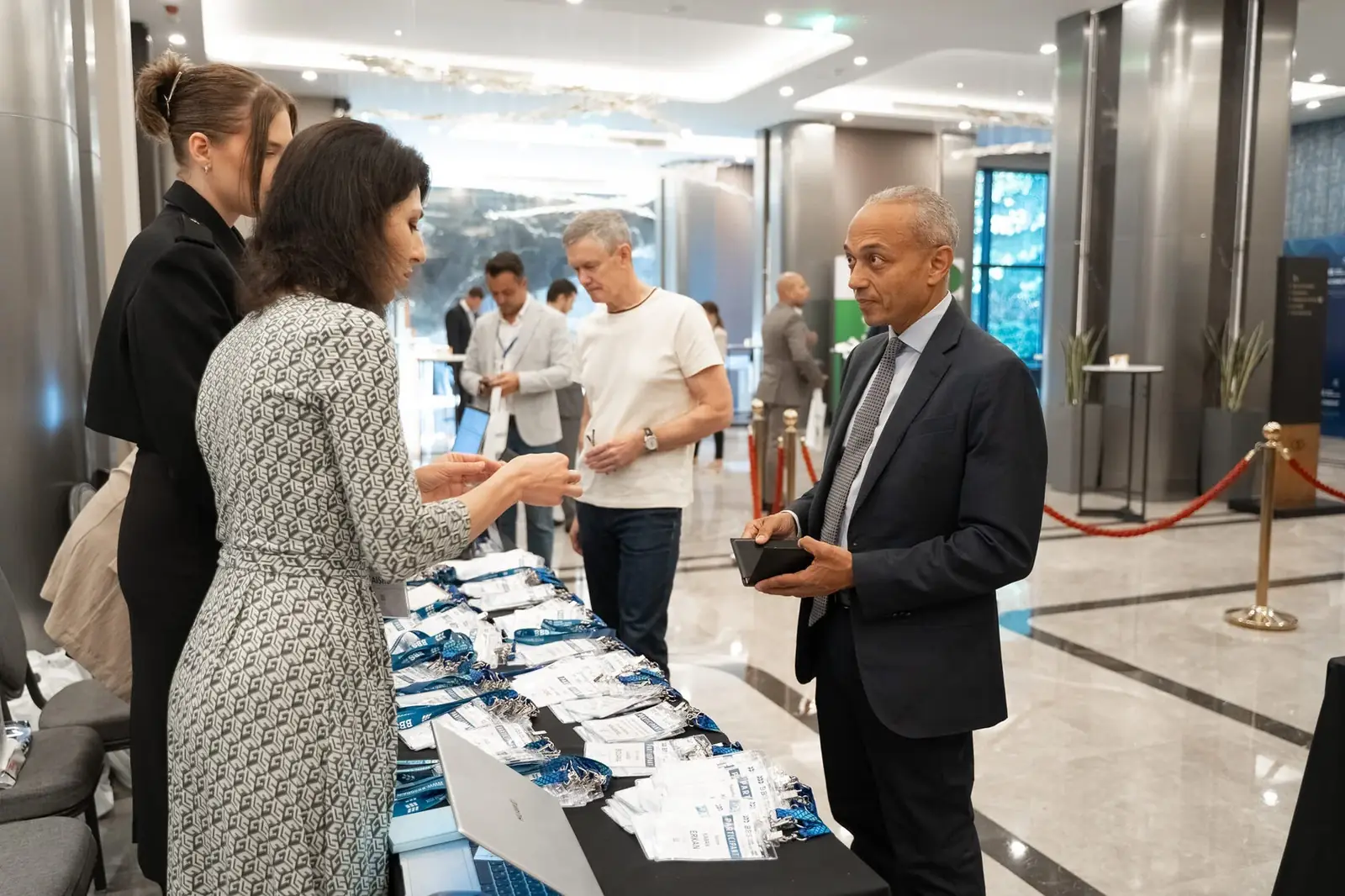
On 2 June 2025 the series came back as a single conference day. Public recaps put the room at 200–300+ people from 20+ countries. Miller Magazine sat as media partner. The tone shifted from “introduce the format” to “price the next season”.
What did not copy 2024: Romania’s rebound and Constanta as a transit hub; Bulgaria’s wheat/barley strength and corn/sunflower gap; Platts on tight spreads and the milling-wheat marker; Egypt’s 13 mt habit and flour re-exports; Tunisia’s board-and-spec regime; crush overcapacity versus seed; freight and extra insurance as line items.
Use Key Insights from BBS Grain Istanbul 2025 as the briefing and the 2025 photo report as the room.
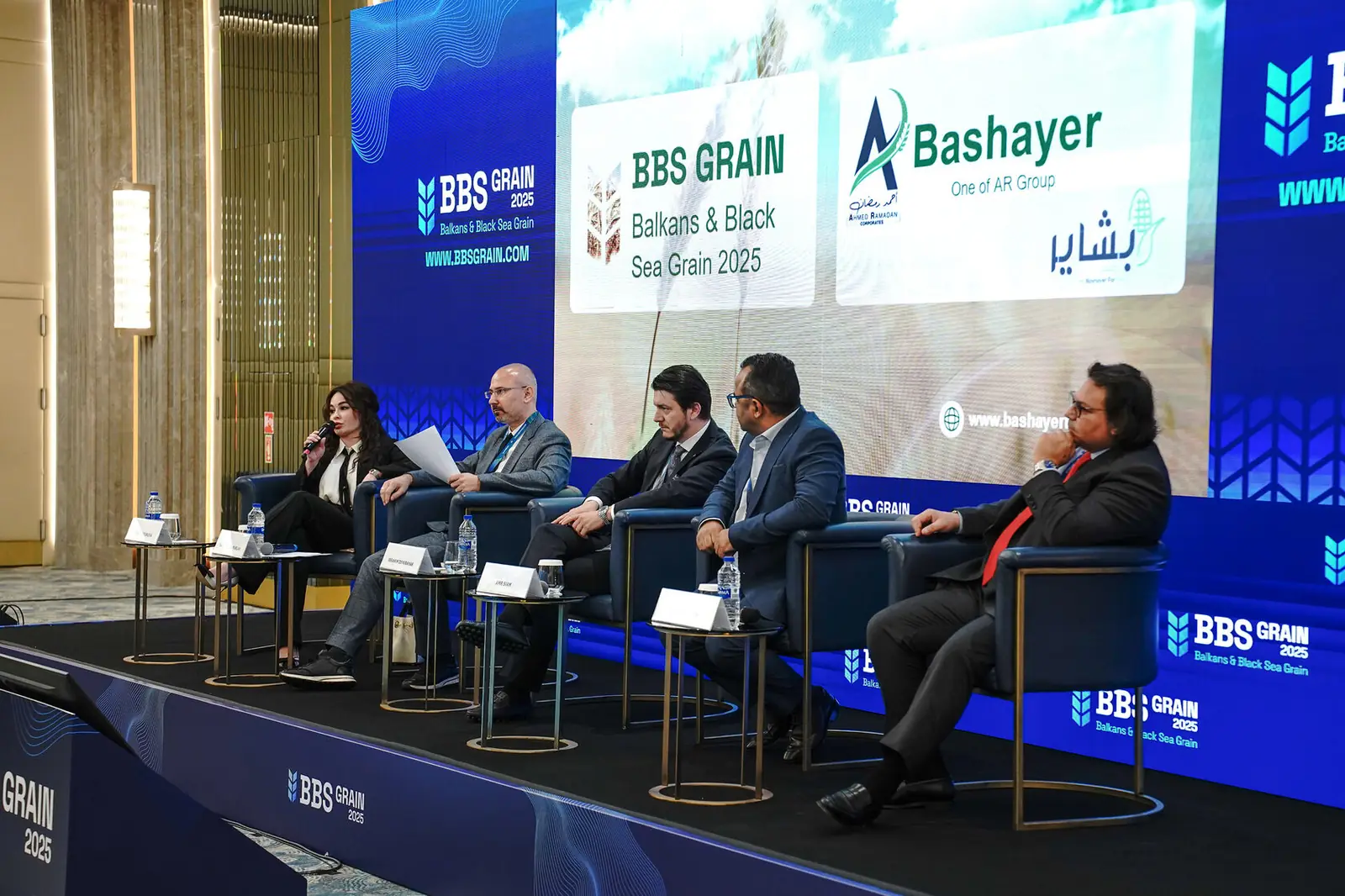
The live edition is the 3rd international conference, 22 September 2026, Sofitel Istanbul Taksim, 13 Sıraselviler Caddesi. Homepage blocks: Black Sea export flows; global demand and MENA; Romania and the Danube corridor; logistics and insurance. Names already on the speakers board include Ibrahim Demirayak, Pieter Defoor, Anna Maria Arakapiotou, Yavor Velchev, Bojan Laskovic and Sabina Sodikova.
Ticket, inclusions and the early rate are on the tickets block of bbs grain. Hotel copy and map: venue. Legal: terms and privacy.
Gafta lists the same date and hotel. Ignore third-party pages that still show Hilton Bosphorus or a two-day 22–23 September ticket. The working programme on the official site is conference + Grain Gala Dinner on 22 September 2026.
If you only open one URL: bbs grain — homepage, agenda, speakers, Sofitel, tickets.
No public date for BBS Grain 2027 is locked yet. The series is already a yearly Istanbul appointment: September 2024, June 2025, September 2026. The fourth edition will sit after 22 September 2026 and will be sold as the same working room, not as a new brand.
What 2027 will have to cover, even if the crop year moves:
If you budget 2027 now: finish 2026 first. The desks that will set the 2027 agenda are the desks buying a seat for 22 September. Register on bbs grain, then ask the organizers for a 2027 hold once the 2026 list is closed.
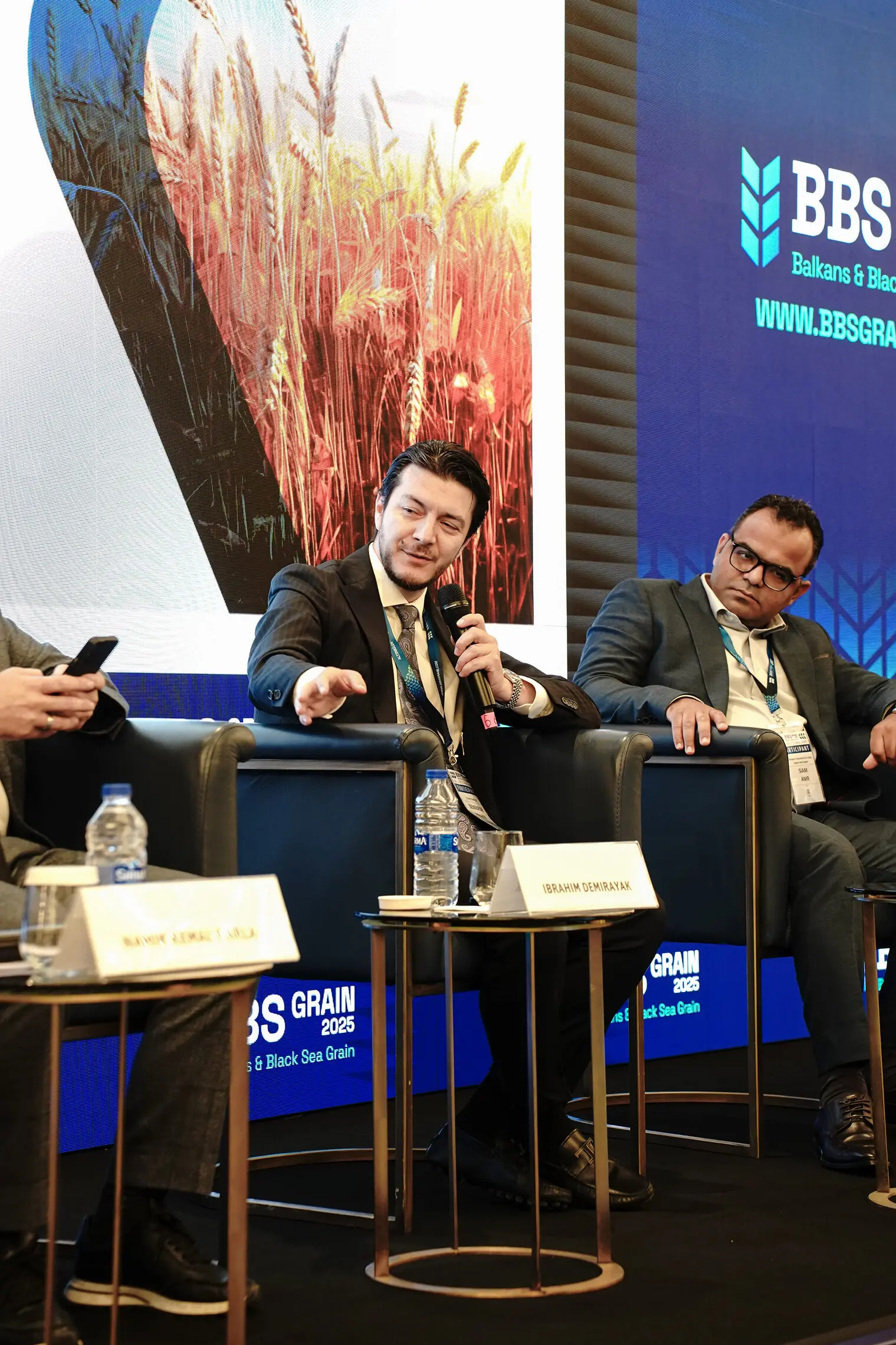
Exporters and origin traders from the Black Sea and the Balkans. Millers and feed buyers from Türkiye, Egypt, North Africa and the Gulf. Shipbrokers, charterers, surveyors, marine insurers and trade lawyers. A few associations (Serbia Grains, Turkish Shipbrokers, export centers) — enough to hear the current rule, not a diplomatic circus.
If your job is a slide for a board that will not travel, use Key Insights 2025 and the two photo reports. If your job is a cargo, buy the 2026 ticket on bbs grain.
Primary: official site bbs grain; Globenty pages for 2024, 2025 and 2026; photo reports at /conference-2024/ and /conference-2025/. Secondary that added a number rather than a reprint: Miller Magazine on the 2025 sessions; Gafta’s date-and-hotel note; harvest and river-logistics reporting on Romania’s 2026 season (Danube draft, Constanta, barge loads). Directory sites (Conference Index, Atndr, Eventbrite) repeat the homepage.
Balkans & Black Sea Grain 2026 — 22 September, Istanbul. BBS Grain 2027 follows.
Get your ticket on bbs grain