29 October 2025 · BBS Grain Istanbul 2025
What challenges and opportunities await the global grain market in the 2025/26 season? Recap of the forum in Istanbul — and why the next edition is on 22 September 2026.
Experts from Europe, Türkiye, Africa, and the Middle East shared forecasts, analysis, and ideas at BBS Grain Istanbul 2025 — one of the leading grain conferences of the year and a key agribusiness forum for international grain trade and agricultural logistics.
The next edition is already open: visit BBS Grain 2026 on the official website and register for a ticket.
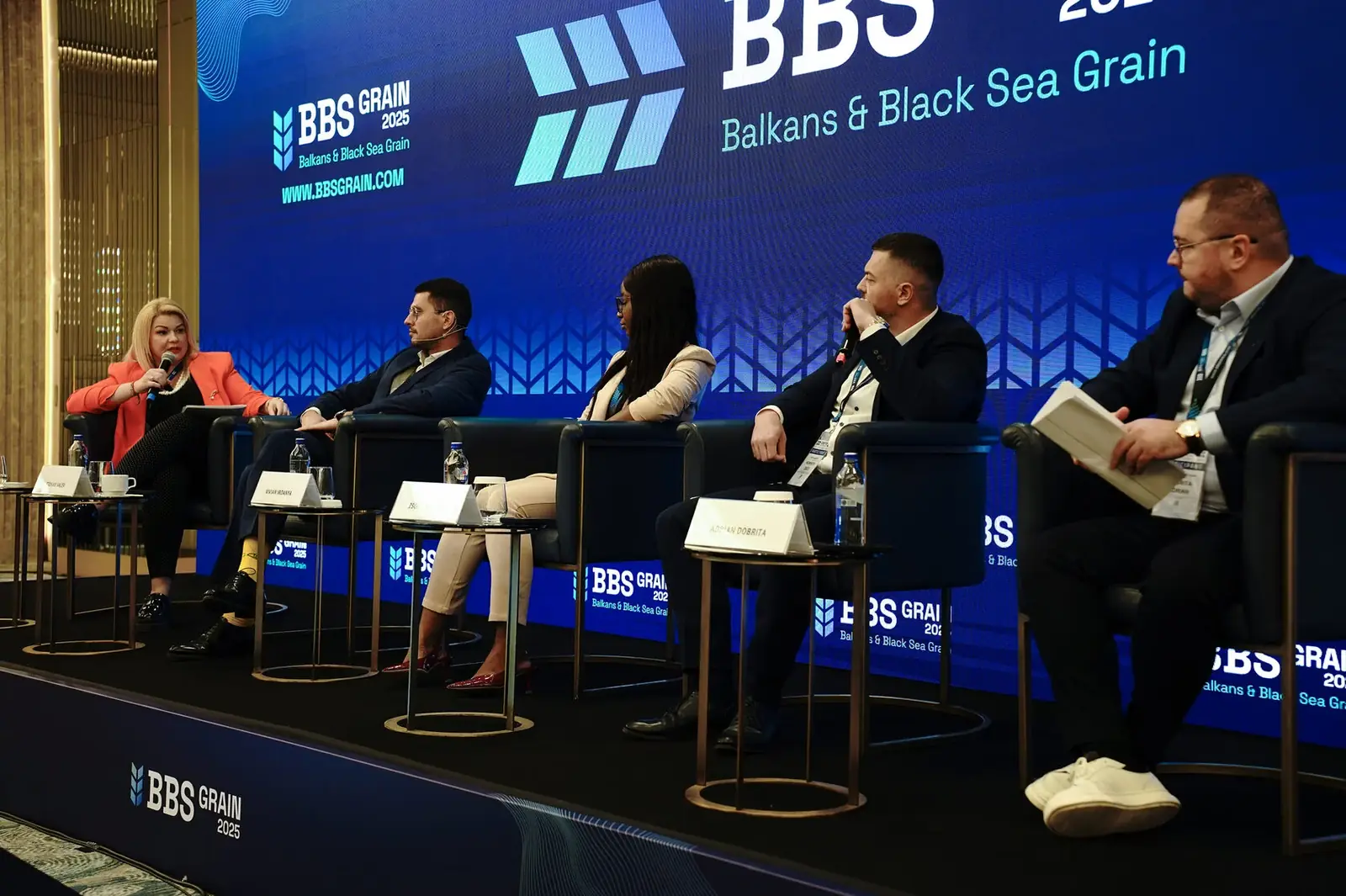
According to Adrian Dobrita (RWA Raiffeisen Agro Romania), Romania remains one of the largest grain exporters in the EU, maintaining strong performance in the grain export market despite climatic volatility.
In 2024, the country faced the worst drought in a decade, yet for 2025, yields are expected to recover: wheat up to 11 million tons, corn 10 million tons, sunflower 2.1 million tons.
Even under weather pressure, Romania continues to demonstrate strong grain logistics and a resilient agri supply chain supporting global grain trade.
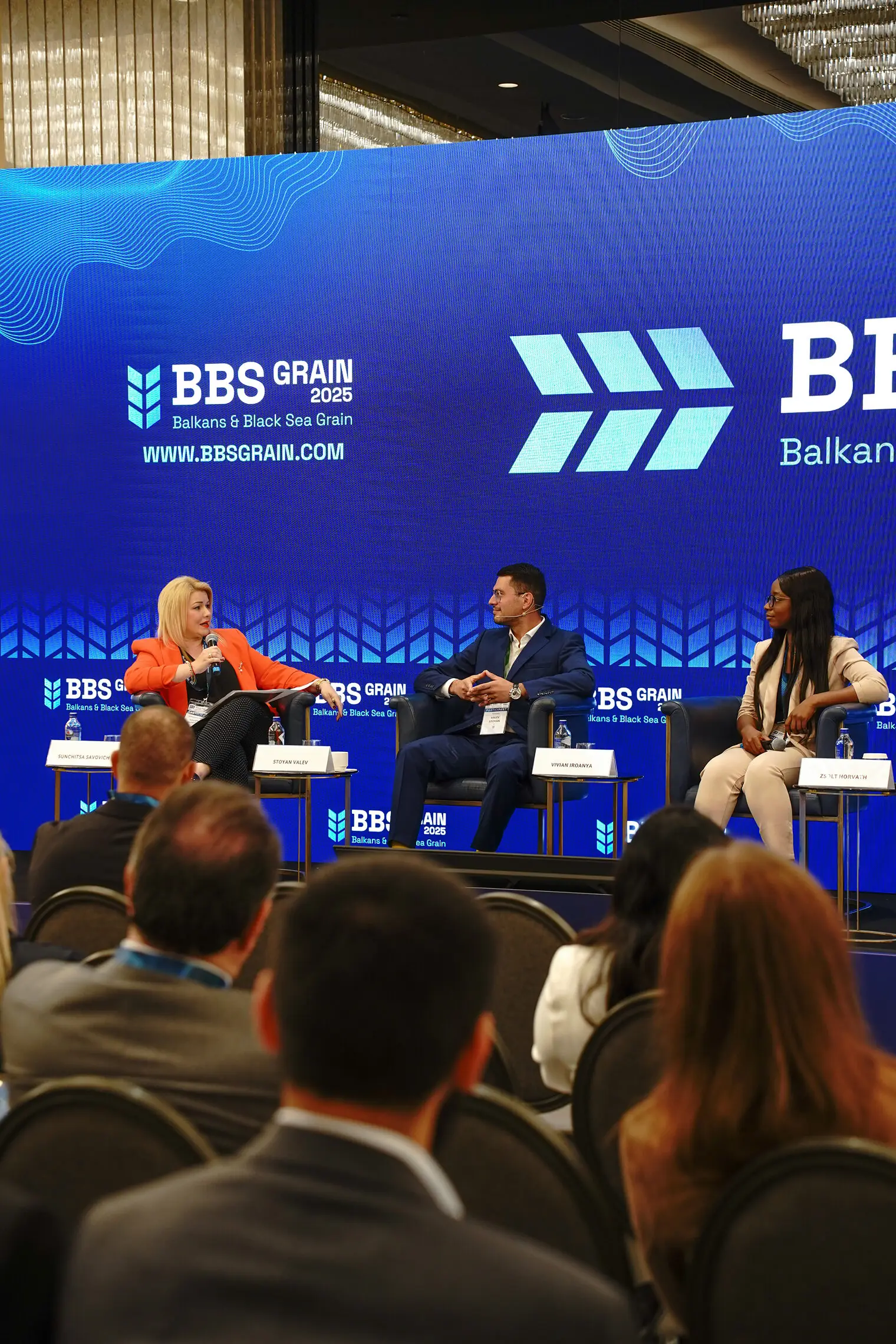
Bulgaria, meanwhile, reported excellent wheat and barley harvests with active exports to North Africa. However, according to Stoyan Valev (Grainstore), weak corn and sunflower output caused higher import needs and short-term price fluctuations on the corn and soybean market.

According to Vivian Iroanyi (S&P Global Commodity Insights), in the 2024/25 marketing year the grain market was marked by narrow spreads and elevated prices for Black Sea grain.
Wheat from the region remains the key benchmark for global grain and pulses trade, with Russia, Ukraine, Romania, and Bulgaria together accounting for nearly 38% of total exports.
A key development was Türkiye’s temporary import restrictions and the later removal of quotas in spring 2025. In June 2025, Platts introduced the Milling Wheat Marker, providing a transparent index for trading grain futures and commodity prices from the region — now one of the most competitive hubs for grain producers, grain buyers, and grain sellers.
These market mechanics will be back on the agenda at BBS Grain 2026 in Istanbul.
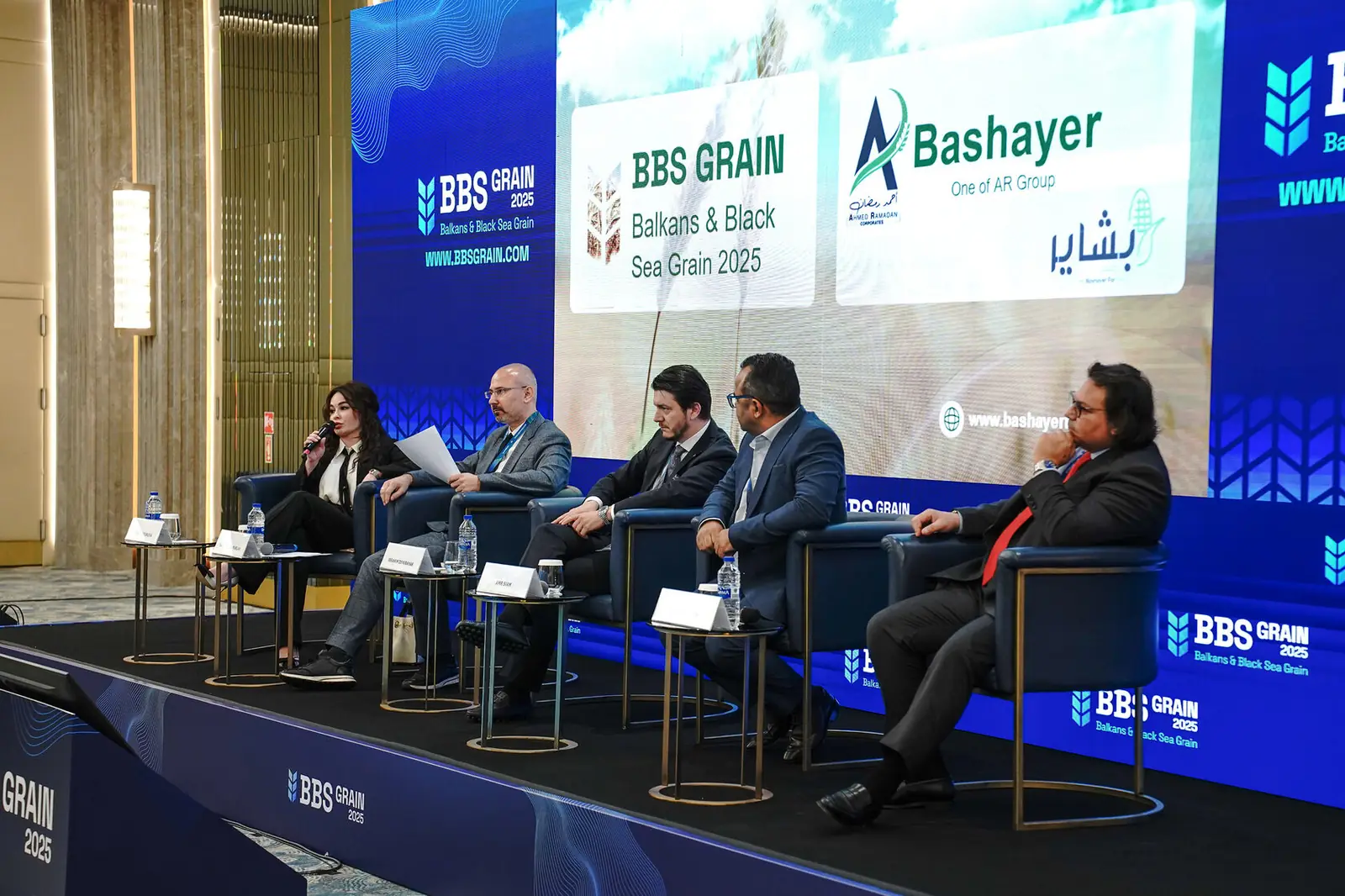
Egypt, according to Amr Siam (Bashayer Feed), will remain the world’s largest wheat importer — around 13 million tons in 2025/26 — despite ongoing self-sufficiency efforts.
Import trends depend on currency access, government support programs, and private sector activity.
Higher local processing has boosted flour exports by 20%, with Sudan, Eritrea, Yemen, and Somalia among the key destinations.
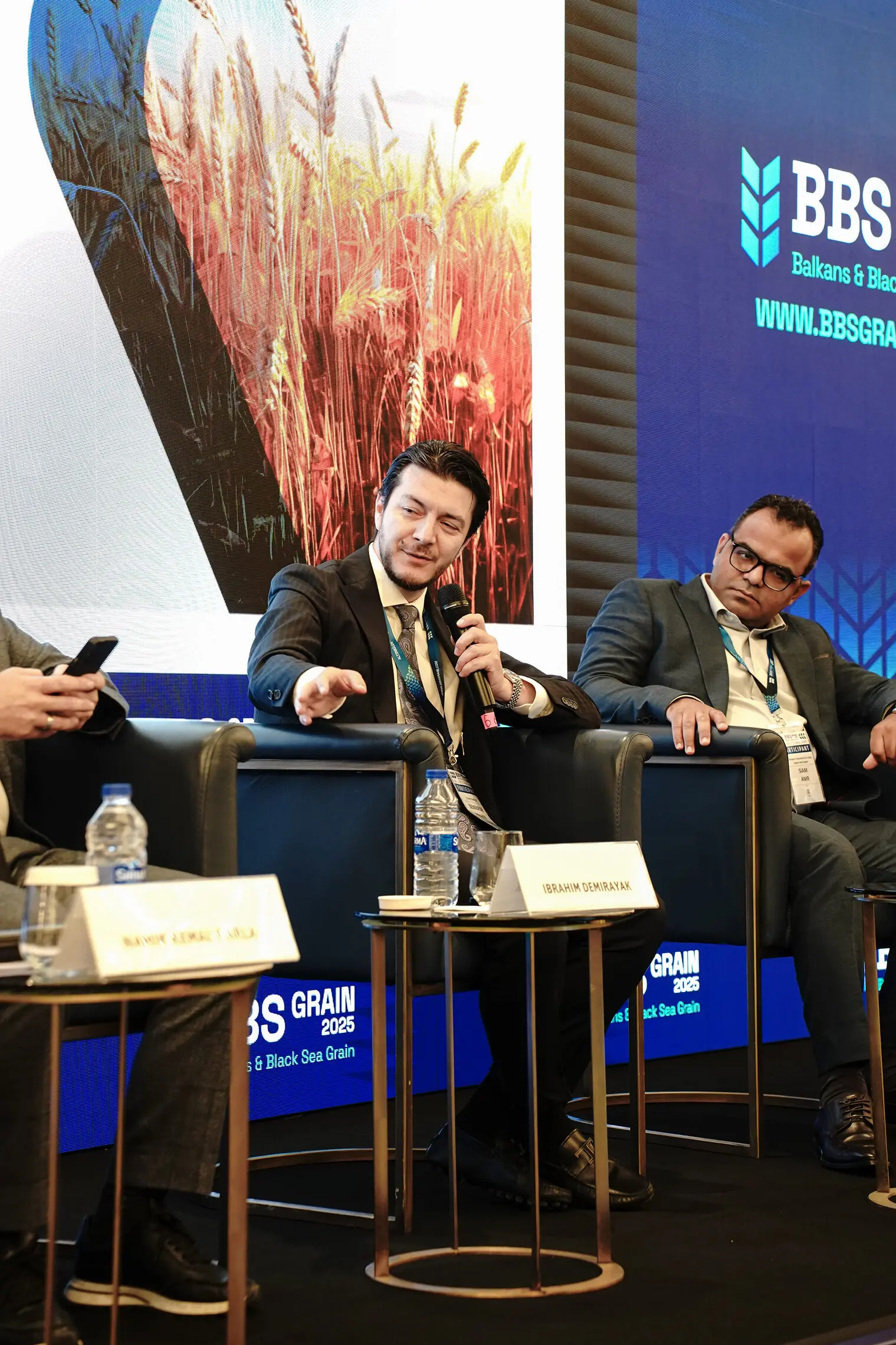
Tunisia, according to Mehdi Zerzeri (Tunisia Grand Mills), remains 70% dependent on imported wheat and fully reliant on imported corn — primarily supplied from the Black Sea grain market and Europe.
Türkiye continues to balance support for local grain producers with maintaining stable supplies and affordable food prices. Output of key grain crops remains above average, though a 10% decline in wheat and barley is expected.
Experts agree that the grain industry in 2025 will be shaped by factors beyond yields:
These influences highlight the importance of global trade corridors, northern transport routes, and container shipping logistics that connect Black Sea exporters with African and Asian markets.
BBS Grain Istanbul 2025 showed once again that the Black Sea region is the nucleus of the international grain trade. Eastern Europe and North Africa continue to play a defining role in global grain futures markets and agri investment forums.
The balance between grain exports from the region and Africa’s growing demand will shape grain market prices and grain market reports throughout 2025/26.
Istanbul, Türkiye · 22 September 2026 · Sofitel Istanbul Taksim Hotel
The upcoming Balkans & Black Sea Grain Conference will extend discussions on grain trade, agriculture forums, and agribusiness events worldwide. See the speakers and ticket options on the official site.
Join the community to explore the future of grain trade, pulses markets, soybean industry trends, and agricultural logistics in the new season.
The Istanbul meeting did not treat the Black Sea as a single origin. Traders compared Romanian and Bulgarian export windows with Russian and Ukrainian offers, then mapped those flows onto MENA tenders. That same comparison will sit at the centre of BBS Grain 2026: not a recap of last year’s slides, but a working room for the season that starts after September.
Freight and insurance were not side topics. Speakers returned to war-risk cover, Danube constraints, and the cost of moving cargo when the Suez lane is uncertain. For millers and feed buyers, those items decide landed price as much as FOB. The 2025 photo report shows how much of the day was spent in one-to-one talks rather than in the hall.
Policy in Türkiye remains a swing factor for the whole basin. Quota changes and milling-wheat markers in 2025 taught the market how fast a local rule can reprice the region. Delegates heading to Sofitel Taksim in 2026 should arrive with a view on both the crop and the regulation that sits on top of it — the venue page is on the homepage.
African demand is no longer a residual “dump” market. Egypt’s import volume, Tunisia’s structural wheat gap, and flour re-exports from North Africa keep Black Sea cargo relevant even when other origins look cheaper on paper. BBS Grain is one of the few rooms where those buyers sit next to Balkan and Black Sea sellers on the same day.
If you use this recap as a briefing note, treat it as a map of open questions, not a closed forecast. Yields, corridors, and currency access will move again before 22 September 2026. The practical next step is to lock a place at the forum — buy a ticket while the early rate is still on the official website.
Balkans & Black Sea Grain 2026 — 22 September, Istanbul.
Get your BBS Grain 2026 ticket